

What type of skin do I have?
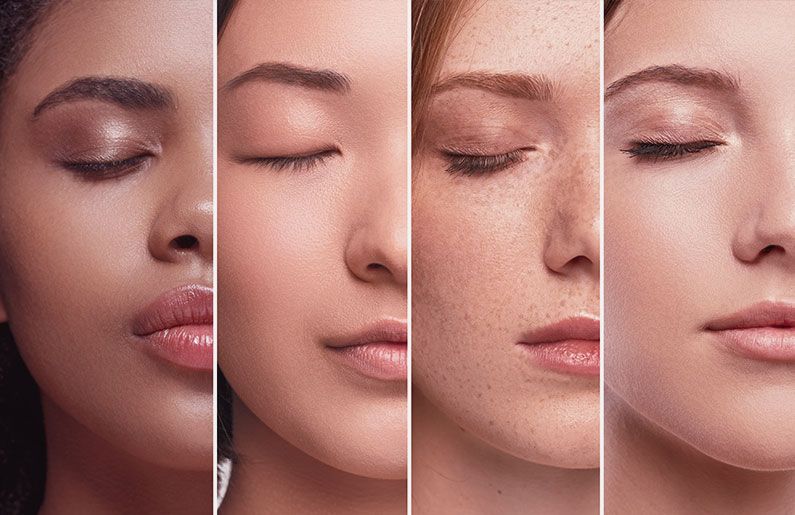
Skin types are categories that people use to describe how oily, dry, or sensitive their skin is. Once someone knows what skin type they have, they can learn how to care for it.
This article explores the different skin types, their features, and how to tell what kind of skin a person has. It also provides skin care tips for each type.
What types of skin care are there?
Skin type is determined by how much oil, or sebum, a person’s skin produces. Sebum is a substance that the skin creates to seal in moisture.
The American Academy of Dermatology (AAD) recognize five main skin types:
- dry
- oily
- combination
- sensitive
- normal
Dry skin
If a person has dry skin, their skin produces less sebum than it needs. These people may notice their skin:
- feels tight or dry, especially after bathing or swimming
- flakes, itches, or cracks
- looks dull, rough, or ashy
Oily skin
If a person has oily skin, their skin produces more sebum than it needs. They may find their skin:
- feels greasy
- looks shiny, especially around the nose and forehead
- has large pores that clog easily
- is prone to pimples or blackheads
Combination skin
In people with combination skin, some areas of their skin will be oily, while others may feel dry. Areas prone to oiliness include the forehead, nose, and chin, collectively known as the T-zone. The cheeks or other areas may feel normal or dry.
Sensitive skin
Sensitive skin can become irritated or inflamed easily. A person with this skin type may notice:
- skin that burns, stings, or itches when applying products
- visible reactions to substances, with bumps, hives, or peeling
Unlike other skin types, sensitive skin is not determined by how much sebum a person’s skin produces. People with dry or oily skin can also have sensitive skin, though it is most often associated with dryness.
In some cases, sensitivity is related to skin conditions, such as eczema or rosacea.
Normal skin
People use the term normal skin to describe skin that is not noticeably oily, dry, or sensitive. This skin type produces enough sebum to keep the skin evenly hydrated without becoming greasy.
People with normal skin have even complexions with few blemishes.
To determine skin type:
- wash the face with a gentle cleanser
- pat dry with a clean towel
- observe how the skin looks and feels immediately after washing
- take note of how this changes over the next few hours
Dry skin will feel dry or tight shortly after washing. It may also look dull, rough, or flaky.
Oily skin may look matte after washing, but will become shiny or greasy over the next few hours. The oil will be visible if a person blots their nose with tissue.
Combination skin typically involves an oily T-zone and normal or dry cheeks. The T-zone includes the forehead, nose, and chin. After some time, this area will look shiny or greasy, but the cheeks will not.
Normal skin will look clear, even in tone and texture, and will not feel tight or irritated after washing. It will not change much during the course of the day.
Sensitive skin may sting, burn, or itch after a wash.